Can my HOA stop me from installing an EV charger in Virginia?
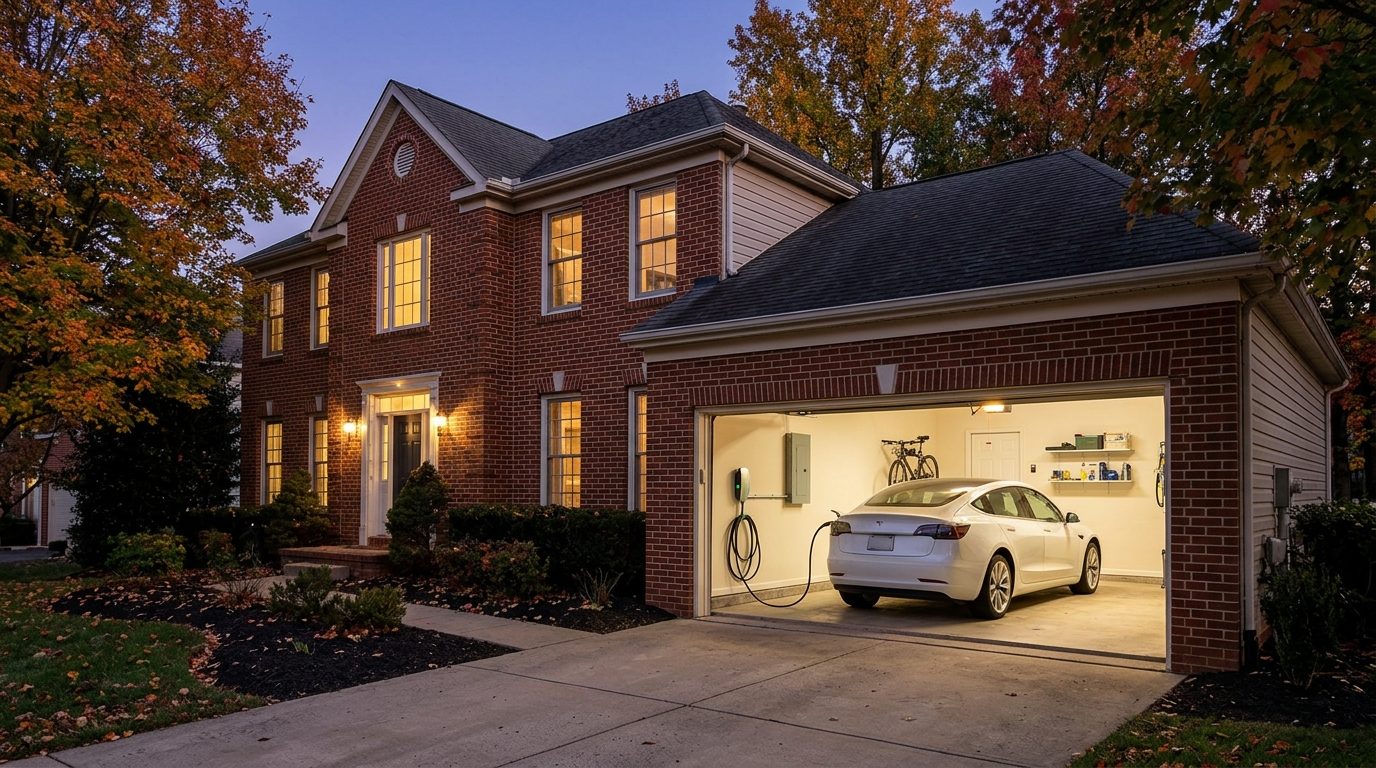
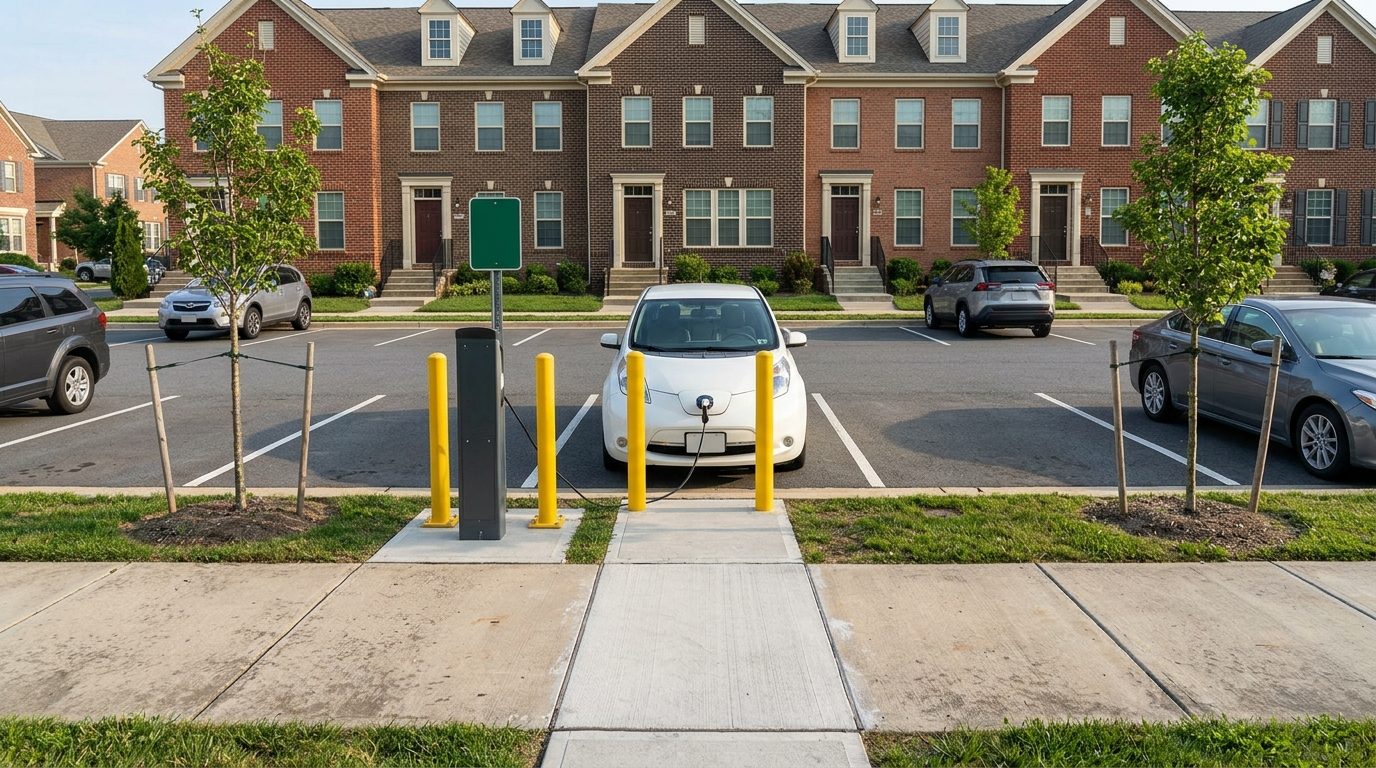
Not on property you own, unless your recorded documents say otherwise. Virginia law lets the HOA set reasonable rules on size, place and how it’s installed, and ask you to carry insurance and cover claims. In a shared lot or other common area, the HOA can prohibit or restrict chargers.1
Can my condo association refuse an EV charger?
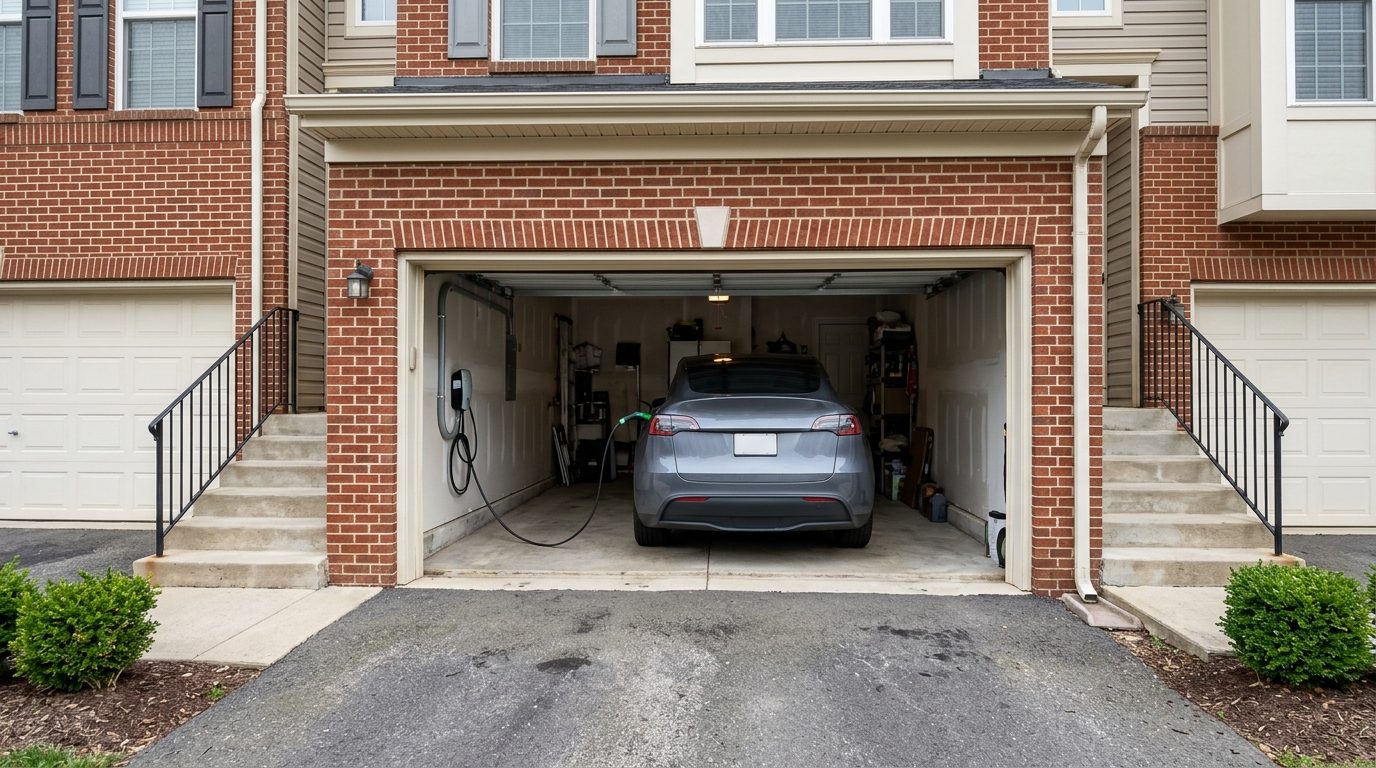
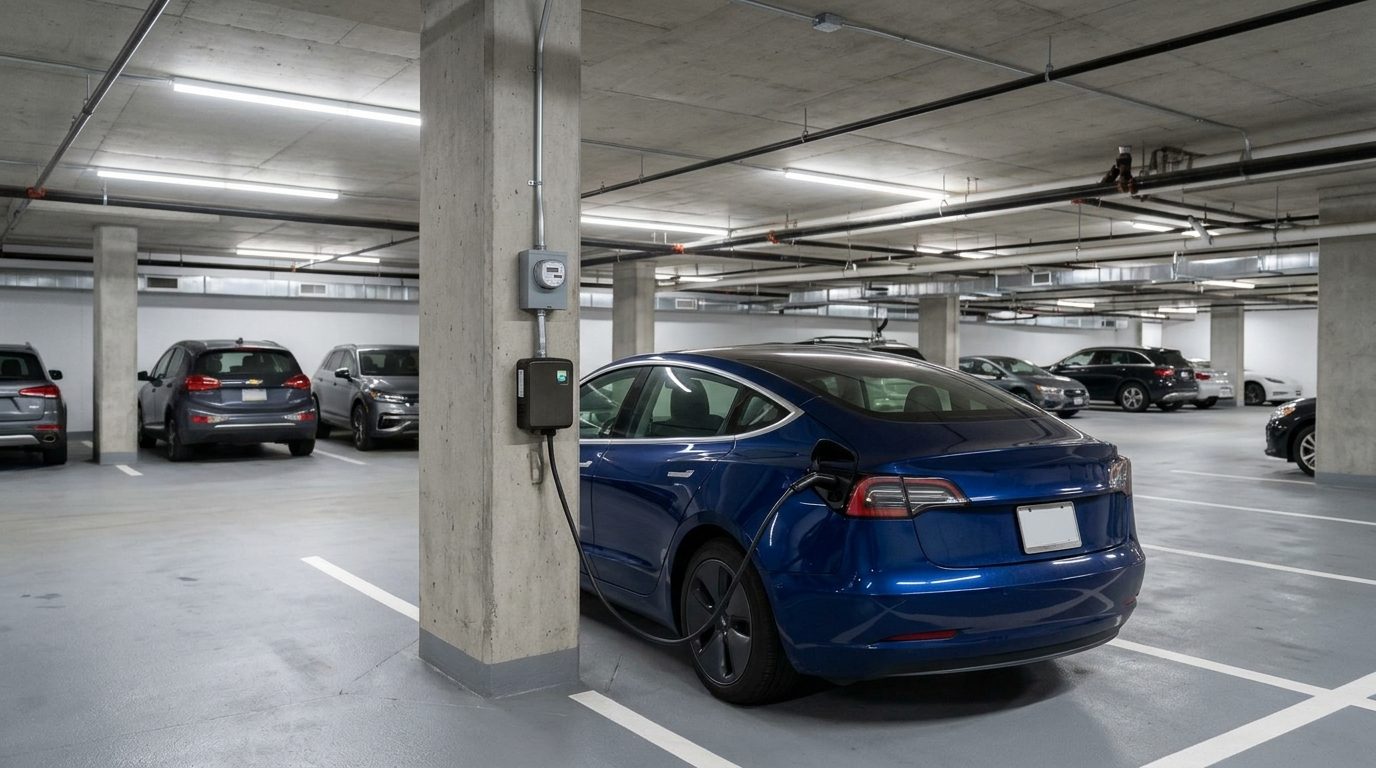
Not in your unit or on a parking space assigned to your unit, unless the condo documents say otherwise or it isn’t technically feasible for safety, structural or engineering reasons. The board can require up to ten conditions, like a licensed electrician’s plans, a separate meter you pay for and insurance naming the association.2
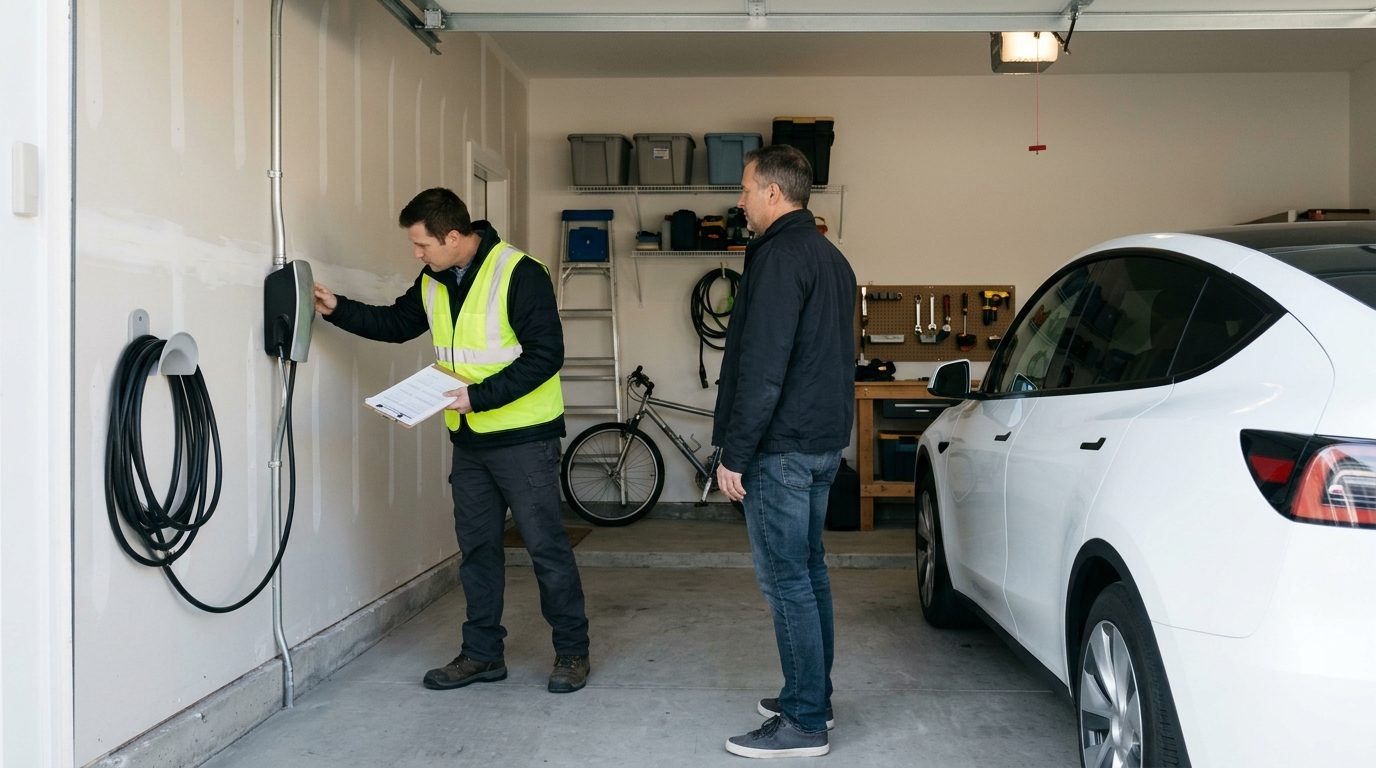
Do I need a permit to install an EV charger in Northern Virginia?
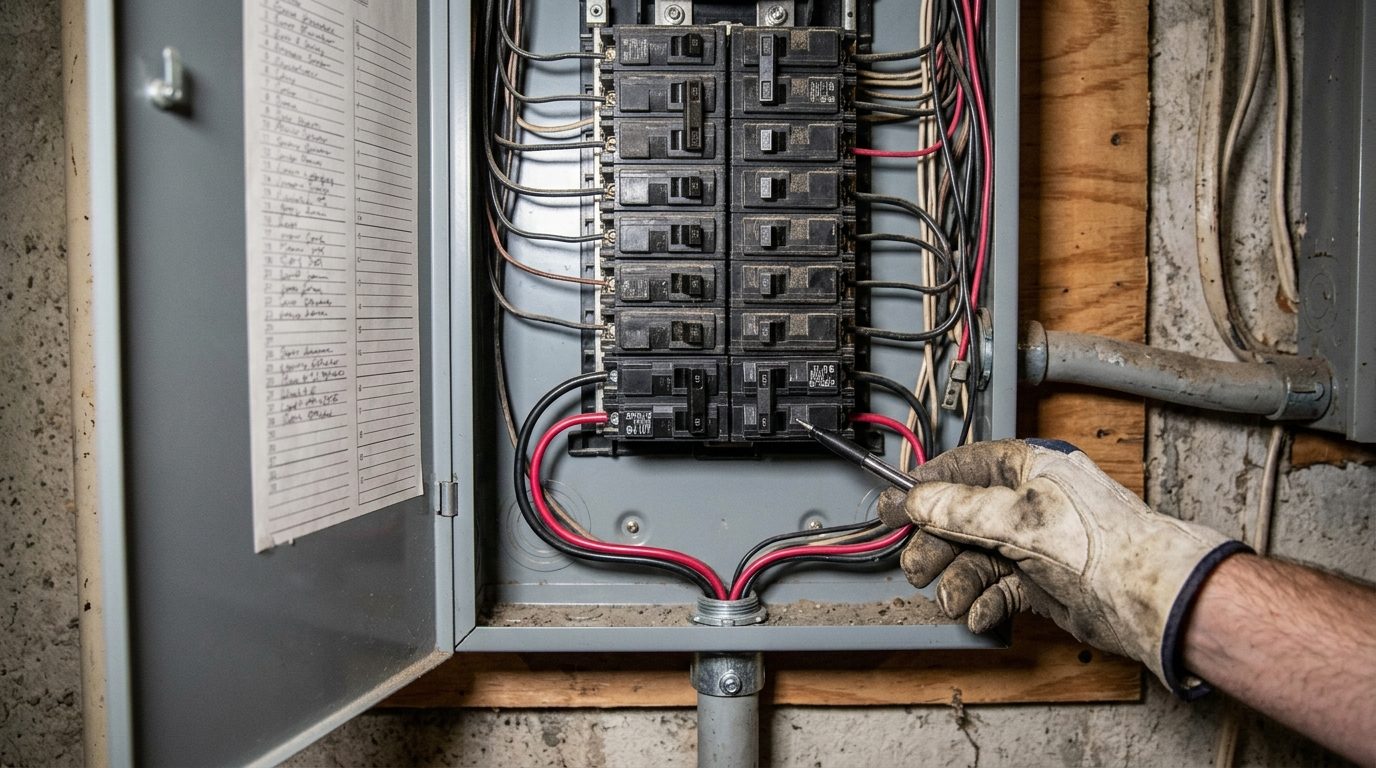
Yes, for a new circuit or a hard-wired charger: an electrical permit from your county or city, with an inspection. Plugging into an outlet you already have usually needs no permit.4,6,7
Can I install a Tesla charger myself?
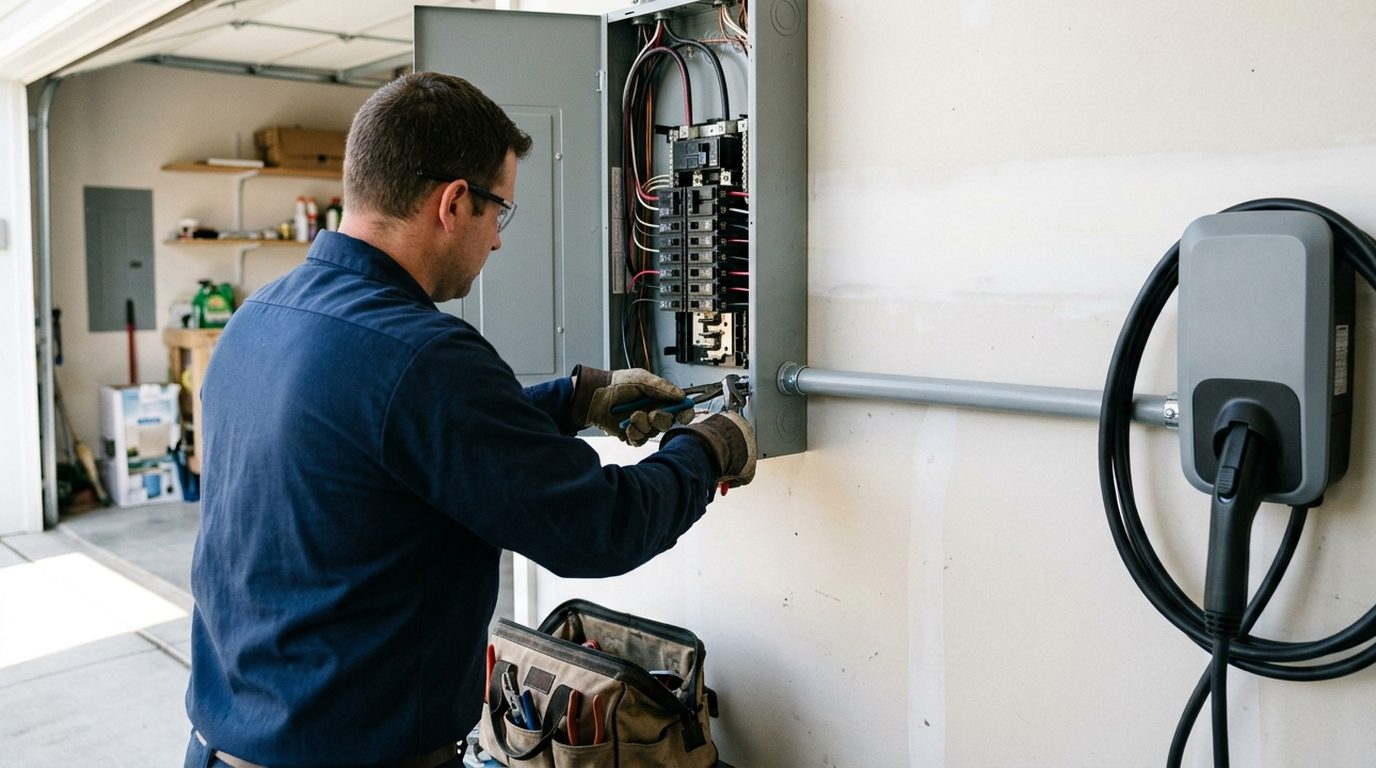
Fairfax County lets owners get a permit in their own name, but strongly recommends a licensed contractor, and the work must still pass county inspection. A 240-volt, 60-amp circuit that runs for hours every night is a job for a licensed electrician.4
How much does it cost to install an EV charger at home in Northern Virginia?
One local electrician’s published 2026 range is $1,200 to $3,500, one time, for a garage circuit with the permit and inspection, up to about $4,500 for long or outdoor runs, plus the charger (Tesla’s Wall Connector lists at $585). A panel upgrade adds about $3,500 to $7,500. Get three written quotes.10,18
Is there a rebate for home EV chargers in Virginia in 2026?
The federal 30C tax credit ended for chargers put in service after June 30, 2026. Dominion’s Residential Charger Program installs one for detached single-family houses for $1,835.96 one time or $40.27 a month for 5 years; its free income-qualifying option is fully subscribed.12,15
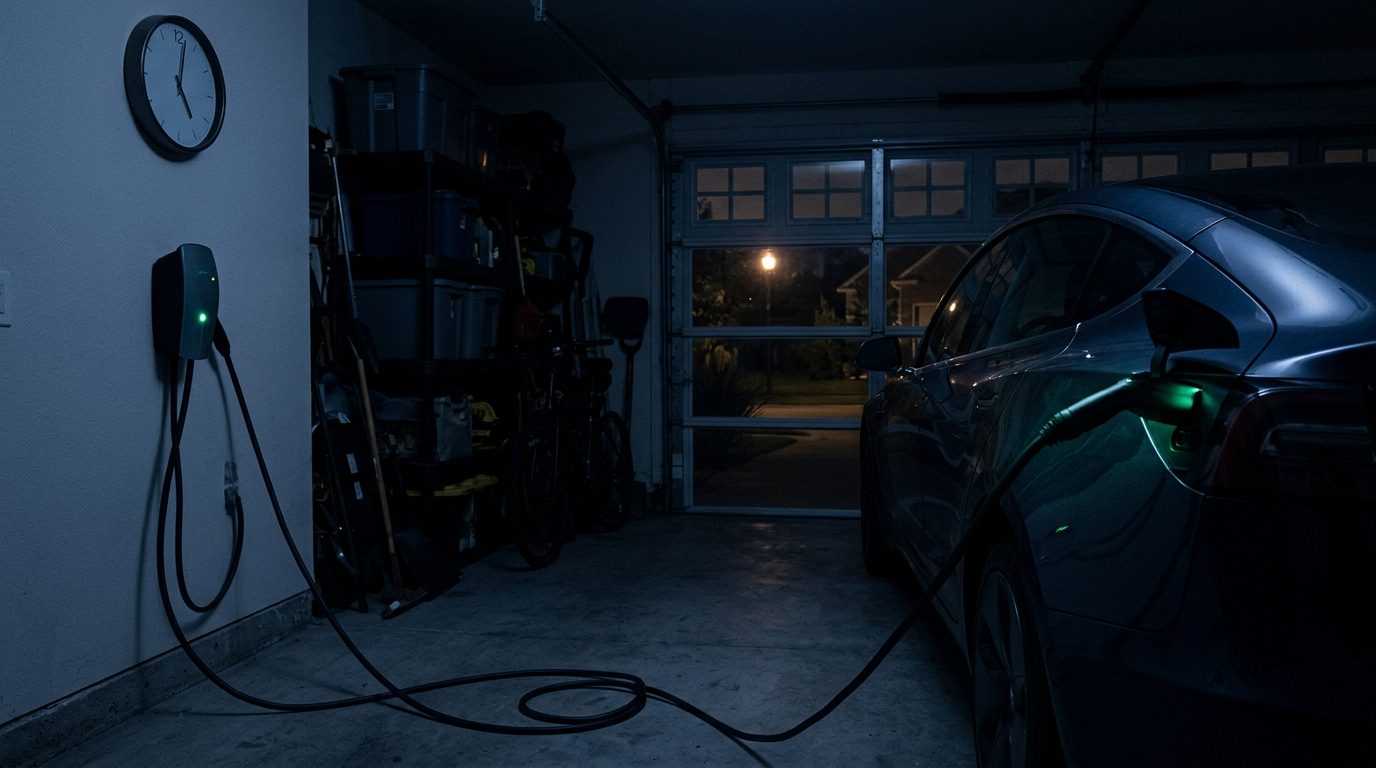
What is the cheapest time to charge an EV with Dominion?
On Dominion’s Off-Peak Plan, 12 to 5 AM every day is the cheapest (super off-peak). It needs a smart meter. NOVEC’s EV rate is cheapest from 11 PM to 6 AM.13,14
Is a NEMA 14-50 outlet or a hard-wired charger better?
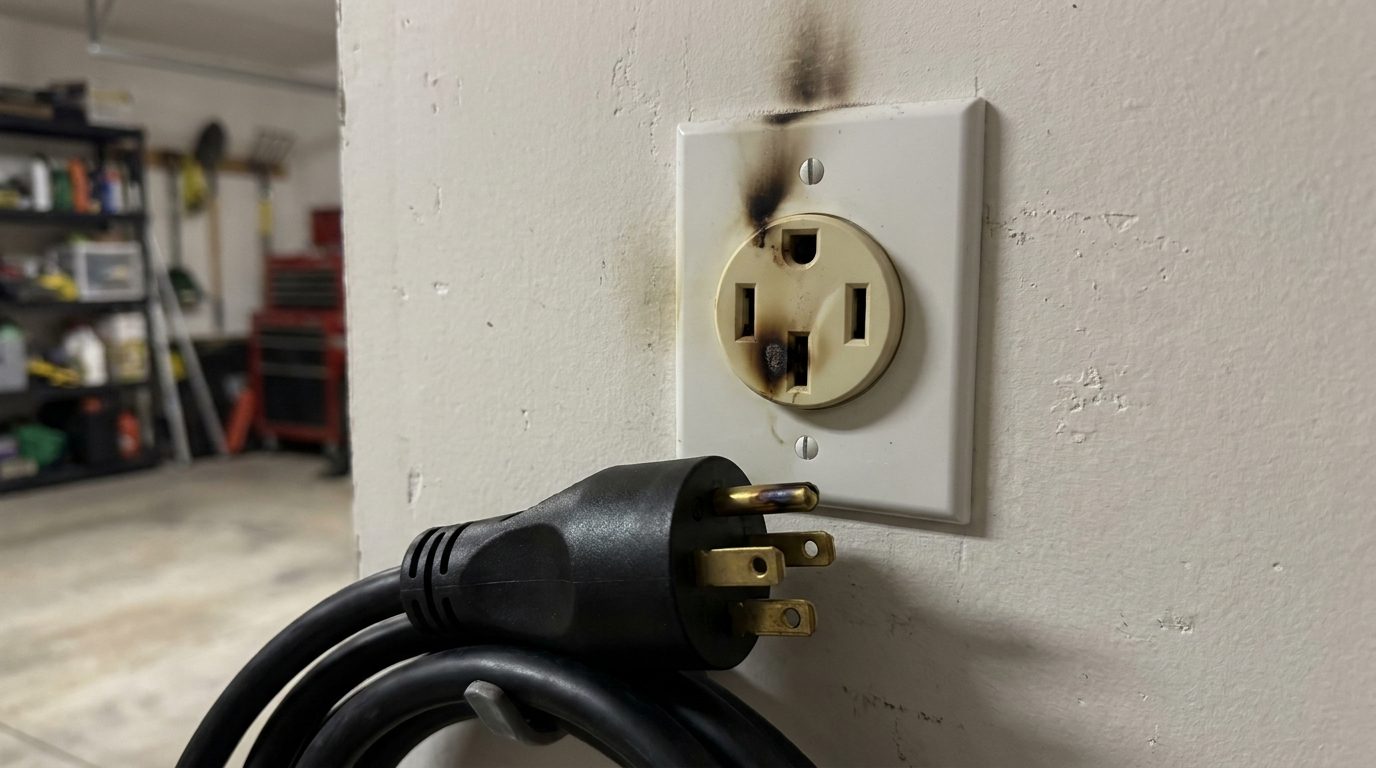
Hard-wiring takes the outlet out of the picture, and outlets are where heat problems tend to show up under hours of charging. If you use an outlet, code requires GFCI protection for EV outlets; ask for an EV-rated, heavy-duty one.8,19
How fast is Level 2 charging compared with a regular outlet?
A regular 120-volt outlet adds about 5 miles of range per hour. A typical home Level 2 charger adds about 25, and a 48-amp Tesla Wall Connector up to about 44 in a Model 3 or Y Long Range.9,11