



Making an offer in Northern VirginiaWhat to offer, and the terms that win
See how homes like the one you want sold against asking, in dollars. Then the terms that win, in plain words.
When several offers come in· A concept image
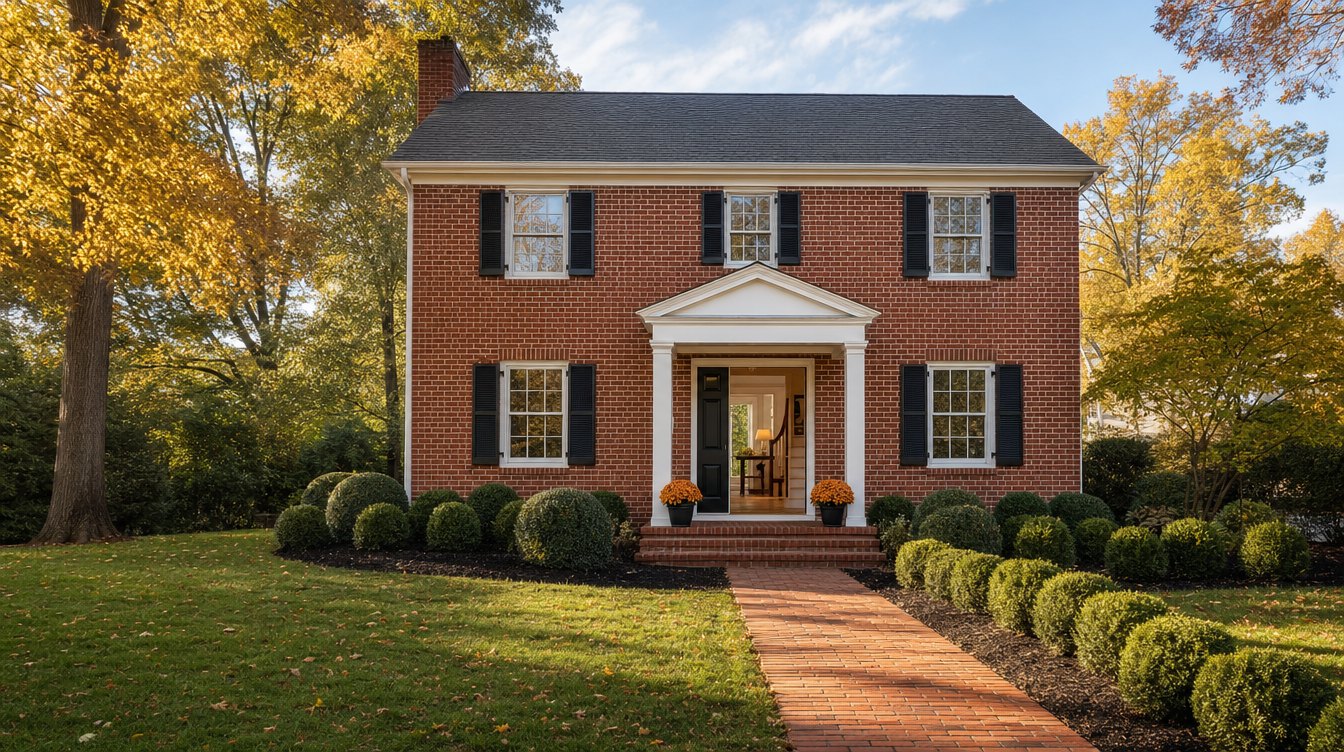
Numbers: Bright MLS sales, October 2024 to October 2026. Pictures: concept images.
The offer range check
What have homes like this sold for?
Pick the place and type, then the asking price and how long it has been for sale. You see how homes like it sold against asking, in dollars.
Updated October 25, 202640,473 sales, October 2024 to October 2026A 30-second check, plus a 6-minute read
Quick answer
A good offer in Northern Virginia depends most on how long the home has been for sale. In the last 24 months, 63% of homes that went under contract in their first week sold over asking, usually by about 2.9%. After a month on the market, only 13% did, and most sold under asking.1 Overall the usual sale was right at the asking price, and the middle half sold between 98.7% and 101.7% of it. Type the home’s details below to see the range for homes like it, in dollars.

Offers in Northern Virginia, in six numbers
40,473 houses and townhouses, October 2024 to October 2026
Sale price compared with the final asking price. Every home is different: these show the pattern, not your number.
Winning a bidding war
Seven levers that win an offer, not just the price.
Sellers weigh certainty and convenience along with the number.
In a home’s first week, sellers here often see several offers, and 63% of those homes sold over asking.1 The offers that win usually combine a strong price with terms that make the seller’s life easy and the sale certain.
One thing I never send: a personal “love letter” about your family. It can bring fair housing problems for everyone involved. Let the price and the terms speak.
- 1
Price
The number first, but not alone. A higher price with shaky terms often loses to a clean offer close to it.
- 2
Pre-approval
A full pre-approval from a lender the listing agent can call. Sellers read it before anything else.
- 3
Deposit
A larger earnest money deposit says you mean it. It is held in escrow and protected by your contingencies.
- 4
Contingencies
Fewer and shorter wins. Shorten the inspection days rather than waiving them, if you can.
- 5
Settlement date
Ask the listing agent what date the seller needs, then match it. It costs you nothing.
- 6
Rent-back
Letting the seller stay a few days after settlement can beat a higher price. Your lender must approve it.
- 7
An escalation clause
Your price rises over a real competing offer, by a step you choose, up to a cap. See the calculator below.
Escalation clauses
Beat the other offer by a step, up to your cap.
How it works, and what it does to your price.
An escalation clause (an addendum to your offer) says: I offer this price; if the seller gets a higher real offer, I will beat it by a set step, up to a cap. It keeps you from overpaying when there is no competition, and keeps you in the race when there is.8
Three things to settle before you use one. Ask to see the competing offer that triggers it. Choose a cap you would truly pay, with the appraisal in mind: the loan follows the appraisal, not your cap. And know that some sellers dislike escalations and just ask everyone for a best and final offer instead.
Try an escalation clause
Appraisal contingency
If the appraisal comes in under your price.
Who pays the gap, and why VA and FHA buyers are protected.
Your lender sends an appraiser to confirm the home is worth the price. When a bidding war pushes the price up, the appraisal can come in lower. The loan is based on the lower number, so the difference comes out of your pocket unless you renegotiate or cancel. An appraisal contingency gives you the right to do that.
With a VA or FHA loan, that right is built in. The VA’s clause says you are not obliged to buy, and lose no earnest money, if the price is above the VA’s value; you may still choose to go ahead.3 FHA’s amendatory clause works the same way.4 That is why NVAR’s waiver form notes that waiving the appraisal contingency does not apply to FHA, VA or USDA loans.8 With a conventional loan, some buyers offer to cover a set part of any gap to compete.
If the appraisal comes in low
Earnest money
Your deposit in Virginia: where it goes and when it comes back.
The rules are in the Code of Virginia, and your contract sets the dates.
Your earnest money deposit goes with the offer and counts toward your down payment at settlement. Virginia has no set amount; you and the seller agree on it in the contract. After ratification, the broker puts it in an escrow account by the fifth business banking day, unless the contract says otherwise, or delivers it to the escrow agent the contract names.2
If the sale falls through, the deposit is released only when both sides agree in writing, a court orders it, or the contract’s own terms allow it.2 That is the real job of your contingencies: as long as you end the contract within one of them, on time and in writing, your deposit comes back. Miss a deadline, and it can be at risk. Before you wire it, call the escrow agent at a number you looked up yourself: wire fraud targets exactly this moment.
Inspection contingency
Keep it, shorten it, or waive it?
Four ways to handle the inspection, from most protection to least.
| The choice | What it means | The trade-off |
|---|---|---|
| Full inspection contingency | Inspect, then ask for repairs or a credit, or cancel. | The most protection. In a hot week, the least attractive to a seller. |
| Inspect, cancel only | Inspect for your information; cancel if you don’t like what you find, but no repair list. | A common middle ground in a multiple-offer week. |
| Inspect before you offer | Pay for an inspection before writing, then offer without the contingency. | Strong, but you pay even if you lose the house. |
| Waive it | No inspection right in the contract. | The riskiest. In NVAR practice you sign an acknowledgment of the risks first. |
A home inspection contingency gives you a set number of days to have the home inspected and act on what you learn. Shortening it, to a few days, is usually a better way to compete than waiving it.
If you do waive it, you are not giving up the facts: Virginia sellers still give the disclosure statement, and in an HOA you can still cancel within the resale certificate’s review period.9
Your agent
The buyer agreement and whether you need an agent.
What Virginia law says, in plain words. No fee amounts here: they are set between you and your agent.
Do you need a buyer’s agent? No law requires one. You can buy on your own, or work with the listing agent, who may represent you only if both you and the seller agree in writing, after a written explanation of what that means.6
If you work with an agent, Virginia requires a written agreement first. It must state when it ends (90 days if it says nothing), what the agent will do, and how much and how the agent is paid.5 Since August 2024, agents in MLSs like Bright also sign that agreement with you before touring a home.7 The pay is negotiable, and it is written down; sometimes a seller pays part or all of it, and we talk about that on every offer.
What an agent adds at offer time: the street-by-street sales behind your number, a call to the listing agent to learn what the seller values, contract terms that protect your deposit, and the deadlines tracked after ratification.
Timing
The month changes the offer.
How often homes sold over asking, month by month.
Homes sold over asking, by month of settlement
Northern Virginia houses and townhouses, October 2024 to October 2026
The same home draws different offers in different months. In the last 24 months, 54% of homes sold over asking in the busiest spring month, and 30% in the quietest early-fall month.1 Timing is a decision, not a coincidence: in fall and winter, buyers face fewer rivals and more room to negotiate.
Questions
What buyers ask before an offer.
What is a good offer on a house in Northern Virginia?
It depends most on how long the home has been for sale. Over the last 24 months, 63% of homes that went under contract in their first week sold over asking; after a month, only 13% did. The offer range check on this page shows the range for homes like the one you want, in dollars.
How much over asking should I offer?
When homes here went over asking, the usual amount was about 2.4% over. In a home's first week it was about 2.9%. A quarter of all homes sold for 101.7% of asking or more, so a strong offer on a popular home often sits in that zone. Your agent's comparable sales decide the exact number.
How do I win a bidding war on a house?
Combine a strong price with clean terms: a full pre-approval, a solid earnest money deposit, a short inspection period, the seller's preferred settlement date, a rent-back if they need one, and possibly an escalation clause. Skip personal letters to the seller.
What is an escalation clause in real estate?
An addendum that raises your price over a real competing offer by a set step, up to a cap you choose. Ask to see the competing offer, and pick a cap you could pay even if the appraisal comes in lower.
How much is the earnest money deposit in Virginia?
There is no set amount in Virginia law; the buyer and seller agree on it in the contract. After ratification the broker deposits it in escrow by the fifth business banking day, and it comes back to you if you cancel within a contingency, on time and in writing.
What is a home inspection contingency?
A set number of days in the contract to inspect the home and then ask for repairs or a credit, or cancel. Radon, well and septic tests are separate contingencies.
Should I waive the inspection contingency?
Usually not. Shortening the inspection period, or inspecting with the right to cancel only, competes almost as well with far less risk. If you waive it, you take the house as it is, so an inspection before you offer is worth considering.
Can I waive the appraisal contingency with a VA loan?
No. The VA requires a clause that lets you cancel without losing your earnest money if the price is above the VA's value, though you may choose to go ahead. FHA loans have a similar amendatory clause.
Do I need a buyer's agent to buy a house in Virginia?
No law requires one. If you use one, Virginia requires a written agreement first that states the term, the services, and how the agent is paid. The listing agent can represent you only with written consent from both you and the seller.
What is a buyer broker agreement in Virginia?
A written agreement between you and your agent, required before the agent works for you. It must have an end date (90 days if none is written), the services, and the pay and how it is paid. The pay is negotiable.
Does this check save what I type?
No. It runs in your browser, and nothing is stored or sent unless you choose to text or email Ahmed.
Your next step
Want a second pair of eyes on your offer?
Send me the home you are thinking about. I will pull the sales that match it, call the listing agent, and tell you the number and the terms that give you the best chance. In English or Arabic, with real numbers, not a pitch.
اقرأ هذه الصفحة كاملة بالعربية ←
وكيلك العقاري الموثوق في شمال فرجينيا.
Keep exploring
Your next pages.
Closing cost calculator
What a buyer pays at closing, line by line.
ToolBuying power calculator
Start from the payment you want; tax, insurance and HOA included.
ToolFirst-time buyer programs
Grants and down payment help, with 2026 limits.
CheckAm I ready to buy?
Timing, money and plan, in seven taps.
Keep reading
- ToolClosing cost calculatorWhat a seller and a buyer pay at closing in Virginia: grantor tax, recordation tax, title and settlement.
- ToolBuying power calculatorStart from the payment. Tax, insurance and HOA included.
- CheckAm I ready to buy?Seven taps: a readiness score for timing, money and plan, and your next steps.
- ToolFirst-time buyer programsWhich state and county programs fit you: Virginia Housing grants and Fairfax, Loudoun, Arlington and Prince William help, 2026 limits.